Experts agree that one of the most positive things you can do during your child’s life is focus on making memories. Having those wonderful shared experiences you have enjoyed with your child will not only help you to remember your time with your child but can act as bonding experience for the whole family in the present as well as the future.
“Making Memories” is a document created by Sharon Thompson, mother to Victoria Thompson, with advice from The Mothers of The Extra Special Kids Ireland Facebook page. The document details how and Sharon and other mothers have approached creating their own memory boxes.
This documented was written by Sharon Thompson and draws upon her’s and her husbands experiences during the life of their daughter, Victoria Thompson. It takes a retrospective look at the time they spent in palliative care with their child and lists things they wish they knew from the very start.
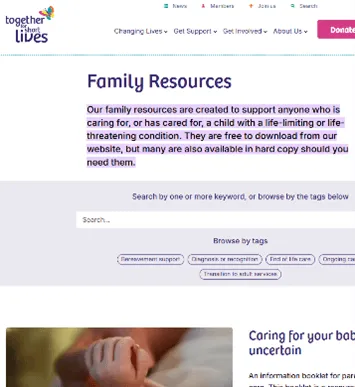
Together for Short Lives family resources are created to support anyone who is caring for, or has cared for, a child with a life-limiting or life-threatening condition. They are free to download from their website, but many are also available in hard copy should you need them.
Learning that a child has a life-limiting illness can be devastating. After learning the typical prognosis for the disease, it is not unusual to worry about the future and anticipate what’s to come. But with a slowly regressing illness, there is a lot of time to understand what you will need medically and emotionally. There will be time to connect with others and gain support; there will be time to explore treatment methods.
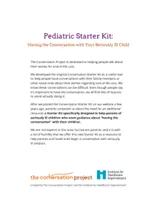
The Pediatric Starter Kit offers advice and provides stories from parents and palliative care specialists who have been there. It provides questions that can help parents navigate the approach to the conversation based on the personality and cognitive level of the child.
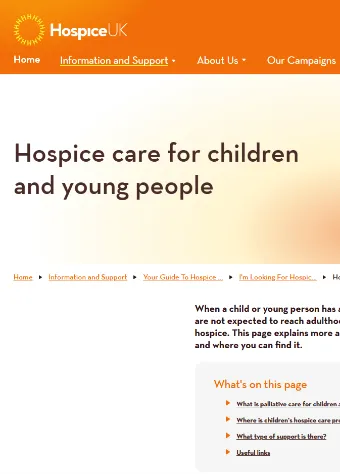
When a child or young person has a condition that means they are not expected to reach adulthood, they can be cared for by a hospice. This page explains more about what this type of care is and where you can find it.
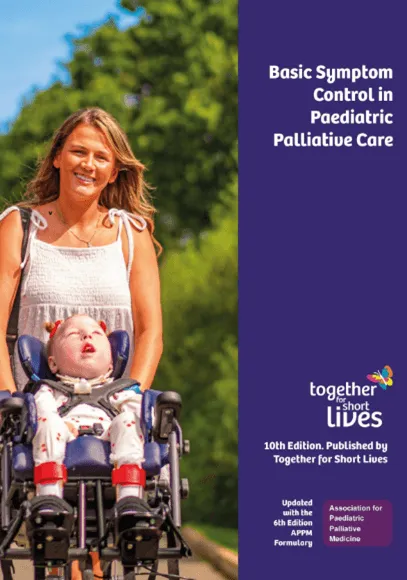
This resource is put together by doctors and nurses experienced in the field and captures their knowledge from being ‘at the bedside’ of children with pain and a variety of complex symptoms. In a field where robust evidence is often lacking, this Manual provides an invaluable tool to support professionals across the globe when caring for children with conditions and symptoms which may be unfamiliar or uncommon in their routine practice. The difference that access to this simple resource can make to the confidence of clinicians and hence the comfort of the children in their care is immeasurable.
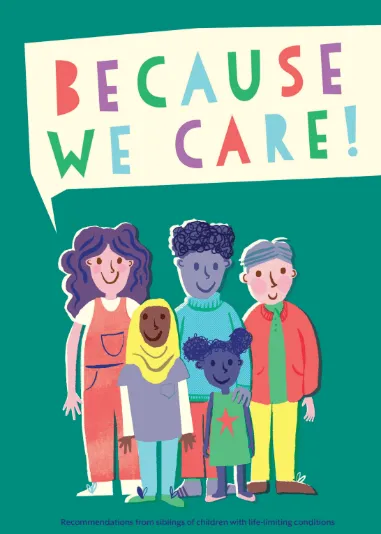
This resource has been developed by siblings of children who have had to spend time in hospital or hospice: “We are a group of children whose siblings sometimes stay in a hospital or hospice. We worked on a project to make the following recommendations for siblings who have brothers or sisters who need this special help. We hope these recommendations will be useful for parents, teachers, doctors, nurses, and anyone else who cares for children like us.”
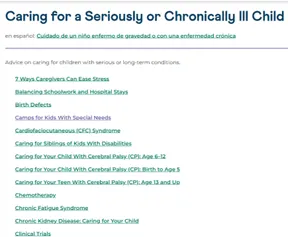
This resource provides information on caring for a child with a life-limiting condition. There are links at the bottom of the page to further information